Leave Your Message
0%

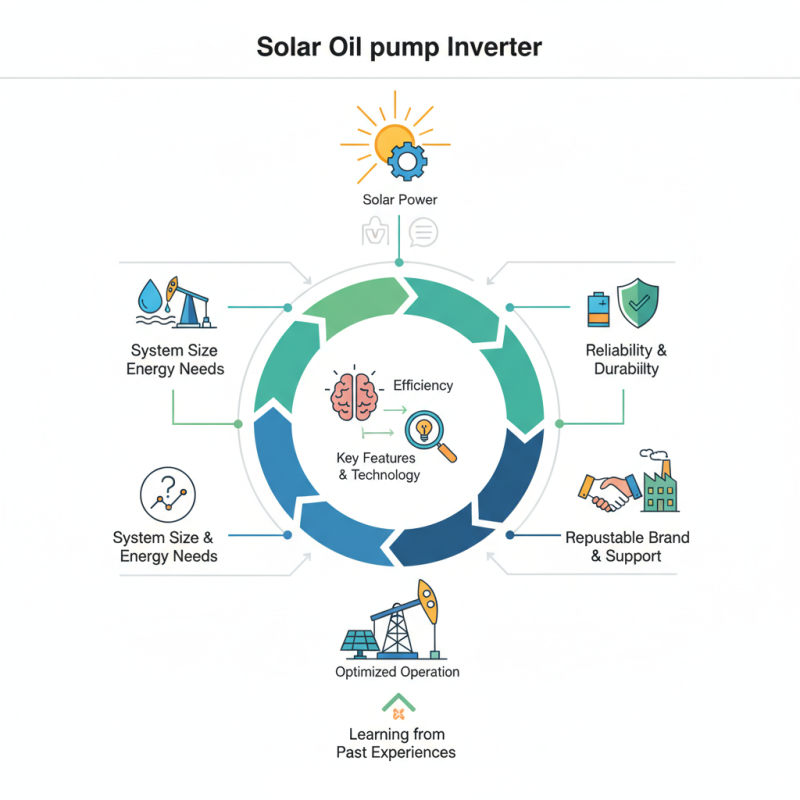
Picking the right Solar Oil Pump Inverter can really swap up how your operations run. Honestly, with so many choices out there, it can feel pretty overwhelming trying to decide. That's why it's super important to get clear on what exactly you need — that way, you’ll get the best performance without any guesswork.

There are quite a few things to think about. For starters, the size of your pumping setup and how much energy it needs. Getting a Solar Oil Pump Inverter that's the right fit helps you squeeze out more efficiency and cut down on energy waste. Reliability is also a big deal — you want an inverter that can hold up no matter the conditions, right?

And don’t forget to go for a reputable brand. Companies with a solid track record in solar tech usually offer better warranties and support, which is a huge plus. That said, a lot of folks sometimes overlook the little features that can really make or break their system’s success. It’s always a good move to look back at your past experiences and learn from any mistakes — it really helps in making smarter choices down the line.
How to Choose the Best Solar Oil Pump Inverter for Your Needs?

Understanding Solar Oil Pump Inverters: A Quick Overview

Understanding Solar Oil Pump Inverters: A Quick Overview

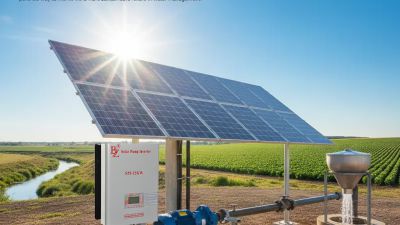
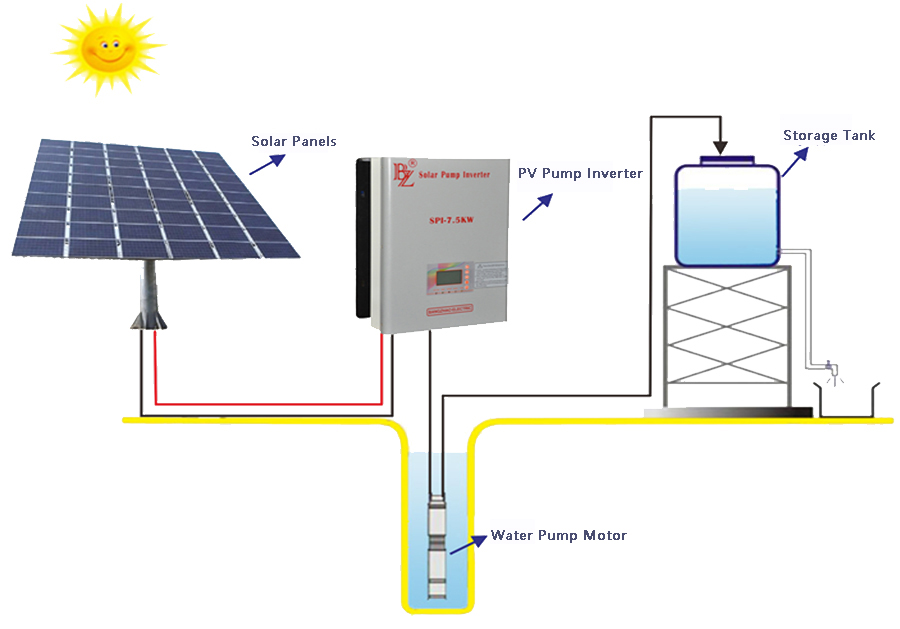
Solar oil pump inverters play a crucial role in optimizing the performance of solar-powered water pumps. These devices convert direct current (DC) from solar panels into alternating current (AC). This conversion allows pumps to operate effectively in various agricultural and industrial applications. Research indicates that utilizing Solar Inverters can enhance system efficiency by20% to 30% compared to traditional pumps.

When selecting an inverter, it’s vital to consider power ratings. The inverter must align with the pump's horsepower rating and the solar panel array's capacity. Inadequate matching could lead to inefficiencies and increased operational costs. Reliability is another essential factor. Industry reports highlight that the average lifespan of quality inverters ranges from 5 to 15 years, depending on usage conditions and maintenance.

Moreover, installation practices can significantly impact performance. Installing inverters in shaded areas or improper orientation can lead to energy losses. Regular monitoring and maintenance are also necessary for optimal performance. Some users overlook this aspect, leading to unexpected downtime and repairs. Therefore, it is important to assess both technical specifications and practical installation needs.

Key Features to Consider in Solar Oil Pump Inverters

When selecting a solar oil pump inverter, focus on crucial features that impact efficiency and performance. Make sure to assess the inverter’s power capacity. This should align with the total wattage of your solar panels. An inverter that is too small may fail to handle energy demands, leading to inefficiencies. In contrast, a larger inverter may incur unnecessary costs.

Consider the efficiency ratingof the Solar Pump Inverter. Look for products that offer higher efficiency. An inverter with over90% efficiency ensures that minimal energy is wasted. Additionally, check for compatibility with various solar panels and batteries. Versatile options can adapt to changing energy needs over time.

Reliability also plays a significant role in your choice. Research the manufacturer’s reputation for producing durable, long-lasting products. Customer reviews and expert opinions can shed light on common issues. Some users find that certain inverters struggle in extreme weather conditions. Take note of warranty options, as these reflect the manufacturer’s commitment to quality. A solid warranty can assure you of support when needed.

Assessing Power Requirements for Your Solar Oil Pump System

Assessing the power requirements for your solar oil pump system is crucial. It begins with understanding the energy needs of your pump. A typical solar oil pump requires an inverter with a power rating between 1 kW to 10 kW, depending on the pump size. According to a 2022 industry report by the International Renewable Energy Agency (IRENA), optimizing inverter capacity can enhance system efficiency by 20%.

Inverters convert DC power from solar panels to AC for the pump. They must match the pump's voltage and current specifications. For example, a pump operating at 120V AC may need an inverter that provides at least 1.25 times that capacity to ensure reliable performance. A recent study indicated that improper sizing of inverters can lead to 15% efficiency losses and significantly hamper overall output.

Evaluating local sun exposure is equally important. The average solar insolation, measured in kWh/m²/day, varies by region. Some areas may receive around 5 to 7 hours of effective sunlight daily. This knowledge helps in making informed decisions about power generation. Choosing the right inverter not only impacts the initial investment but could also result in long-term operational savings. Adjust your planning based on local conditions and specific energy needs to optimize your solar oil pumping system.

Comparing Different Types of Solar Inverters Available

When selecting a solar inverter for your needs, it’s essential to understand the various types available in the market. Each type has unique features that cater to different applications. For instance, a Solar Submersible Pump Inverter is specifically designed for deep well pumps and irrigation systems. Its efficiency in converting solar energy into usable power directly impacts how much water can be moved.


Grid-tied inverters are another common choice. They allow you to connect your solar system to the electricity grid. This option may seem appealing with the possibility of net metering. However, it relies heavily on grid availability. Off-grid inverters provide independence from the utility grid, making them ideal for remote areas. They enable users to rely entirely on solar power, although they often require battery storage systems, adding complexity.


Lastly, Hybrid Inverters combine the advantages of both grid-tied and off-grid systems. They offer flexibility, allowing for energy storage while also being connected to the grid. The choice between these options can be challenging. Each has its own benefits and potential drawbacks. Reflecting on your specific needs will guide your decision, ensuring you choose the right solar inverter for your situation.

Evaluating Efficiency and Performance Metrics

How to Choose the Best Solar Oil Pump Inverter for Your Needs?

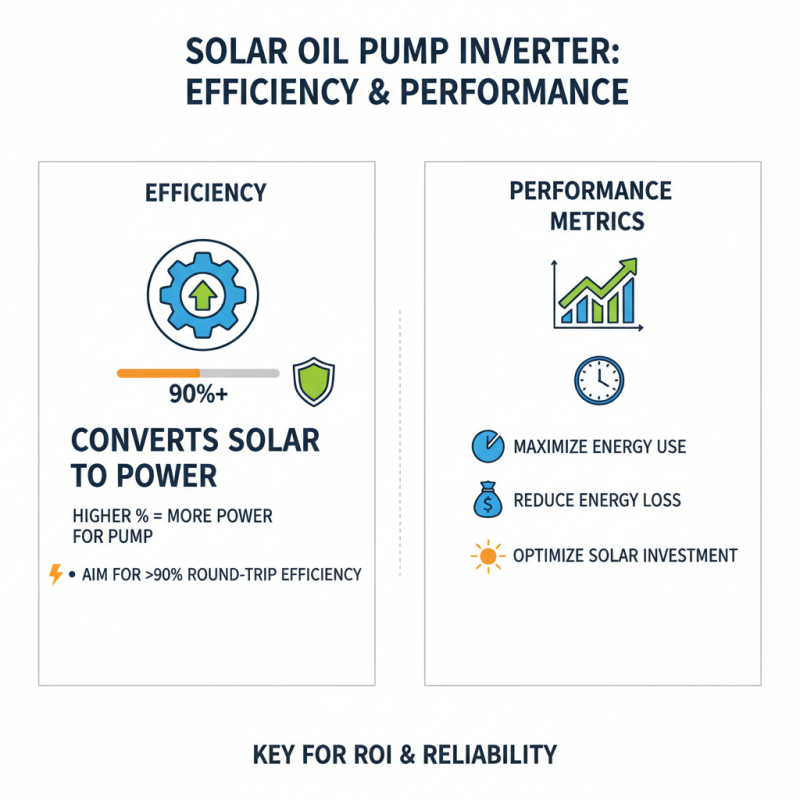
When selecting a solar oil pump inverter, efficiency and performance metrics are crucial. Efficiency measures how well the inverter converts solar energy into usable power. A high-efficiency rating means more energy drives your pump. Look for inverters that have round-trip efficiency scores above 90%. This ensures minimal energy loss, maximizing your investment in solar technology.

Performance metrics go beyond efficiency. Pay attention to the inverter's power output and operational stability. Check how it performs under varying conditions. Inverters should handle different loads without significant drops in performance. Some models may struggle during peak demand or adverse weather. Understanding this aspect could save you trouble in the long run.

Cost is also a factor to consider. Sometimes, cheaper options underperform. Investing in a reliable model may seem expensive but will pay off in operational savings. Research user reviews and expert opinions to gauge reliability. Ensure that what you choose aligns with your specific needs. Balancing these elements is essential for optimal performance.

Budgeting for Your Solar Oil Pump Inverter Purchase

How to Choose the Best Solar Oil Pump Inverter for Your Needs?

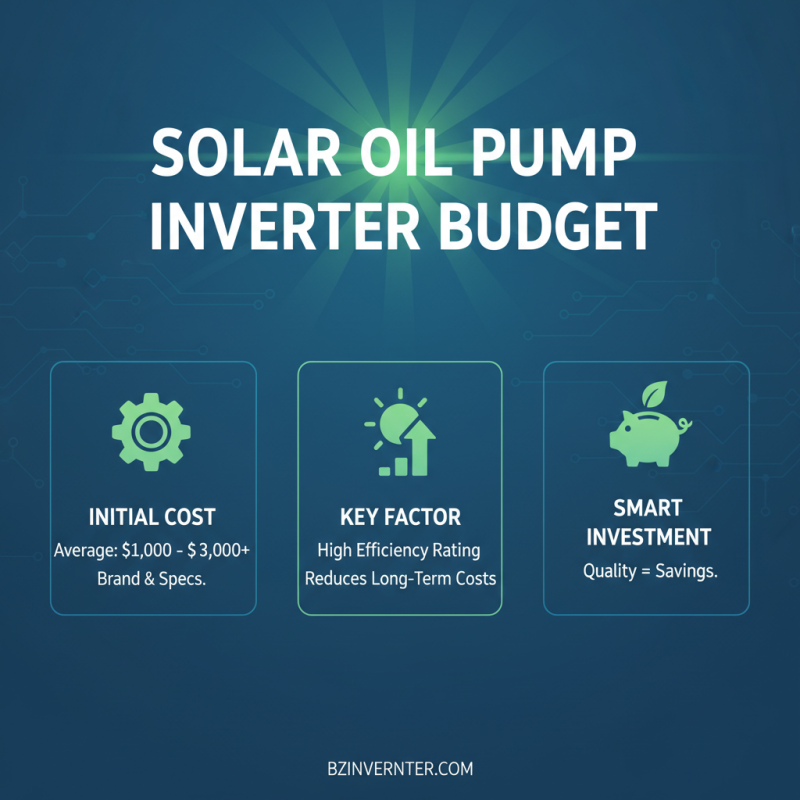
When budgeting for a solar oil pump inverter, it's essential to consider all costs. A quality inverter can range significantly in price. Reports indicate that the average cost of a Solar Water Pump Inverter varies from $1,000 to over $3,000. This range may be influenced by brand reputation and technical specifications. Look for inverters with high efficiency ratings, as they can reduce long-term costs.

Installation fees might add 15% to 20% to your total expenditure. Professionals recommend seeking competitive quotes from certified installers. This can provide insight into the average installation costs in your area. It’s also wise to remember potential ongoing maintenance expenses. Some units may require more frequent service than others. Regular maintenance ensures optimal performance and longevity.

Don't overlook the importance of warranties and product support when making your decision. A robust warranty can protect your investment. Research suggests that inverters with longer warranty terms are often more reliable. This consideration not only impacts your wallet but also the functionality of your solar Water Pump Inverter in the long run.

Top Brands and Recommendations for Solar Oil Pump Inverters

When selecting a solar oil pump inverter, top brands must be considered. Leading manufacturers focus on efficiency and reliability. Many experts recommend inverters that use Maximum Power Point Tracking (MPPT) technology. This ensures optimal energy conversion from solar panels. According to recent industry reports, inverters with MPPT can boost efficiency by up to 30% compared to traditional systems.

Durability is crucial. Look for models designed for harsh environments. High-quality solar MPPT pump inverters should feature robust casing and IP ratings for water and dust protection. Fewer breakdowns mean lower long-term costs. Information from surveying industry users indicates that investing in well-reviewed models reduces maintenance issues significantly.

Data shows that customers often overlook warranty options. A strong warranty can reflect manufacturer confidence. Inverters with at least five years coverage are recommended. This not only protects your investment but also demonstrates a commitment to quality. Ensuring your choice is backed by reliable support reinforces trust in your purchase.

How to Choose the Best Solar Oil Pump Inverter In Your Needs? - Top Brands and Recommendations for Solar Oil Pump Inverters

Feature Description Importance Level
Power Rating Indicates the maximum output power the inverter can handle. High
Efficiency Percentage of power used effectively without waste. High
Voltage Compatibility Ensures the inverter can work with the solar panels and pump system. Medium
Control Features Includes features like remote control, monitoring, and automation options. Medium
Durability Resistance to environmental conditions and long-term usage. High
Warranty Period Length of time the manufacturer covers for defects and issues. Medium
Price Cost of the inverter, affecting budget considerations. High
Customer Support Availability of assistance from the manufacturer. Medium

FAQS

: What are the different types of solar inverters available?

: There are several types: submersible pump inverters, grid-tied inverters, off-grid inverters, and hybrid inverters.

What is the main function of a solar submersible pump inverter?

It converts solar energy for deep well pumps and irrigation systems efficiently.

How do grid-tied inverters function?

They connect solar systems to the electricity grid, allowing for net metering.

What are the advantages of off-grid inverters?

They provide energy independence, ideal for remote areas but require battery storage.

What is a hybrid inverter?

It combines grid-tied and off-grid features, allowing energy storage and grid connection.

Why is efficiency important in selecting a solar inverter?

Higher efficiency means more solar energy is converted into usable power for your needs.

What should I consider regarding inverter performance?

Look at power output and behavior under varying conditions to avoid performance drops.

How can costs affect inverter selection?

Cheaper models may underperform. Investing in quality can save money in the long run.

What reflects a good efficiency score?

Round-trip efficiency scores above 90% are ideal for minimizing energy loss.

How does one ensure a reliable inverter choice?

Research user reviews, expert opinions, and align it with your specific needs.

Conclusion

Choosing the best Solar Oil Pump Inverter for your specific needs involves several critical considerations. First, it’s important to understand the basics of solar oil pump inverters, including their functionality and role in optimizing solar energy for oil pumping applications. Key features to consider include power capacity, efficiency ratings, and compatibility with your existing solar setup.

Next, accurately assessing your power requirements is essential to ensure the inverter can support your system seamlessly. By comparing different types of solar inverters available, you can better evaluate their efficiency and performance metrics specific to oil pumping applications. Finally, budgeting for your solar oil pump inverter purchase will help you make informed decisions while exploring leading brands and recommendations within the marketplace. Each of these steps is vital to ensuring that your investment meets your operational needs efficiently and effectively.
Charlotte

Charlotte

Charlotte is a dedicated and knowledgeable marketing professional with over a decade of experience in the energy storage industry. Specializing in lithium battery storage systems and various power solutions, including bi-directional energy storage power supplies, pure sine wave inverters, marine......
Previous Top 10 Shore Power Converters at 2026 Canton Fair?